
Harley-Davidson Service Manuals: A Comprehensive Guide
Delve into detailed repair procedures, covering models like FLHR Road King (1995-1998) with Clymer manuals, ensuring successful maintenance and operation of your Harley.
What is a Harley-Davidson Service Manual?
A Harley-Davidson service manual is a detailed, comprehensive guide specifically created by the manufacturer or a reputable third-party publisher – like Clymer – to assist owners and mechanics in the maintenance, repair, and overhaul of Harley-Davidson motorcycles. These manuals aren’t simply instruction booklets; they are technical reference materials packed with exploded diagrams, precise specifications, torque values, and step-by-step procedures.
They cover everything from routine maintenance tasks, such as oil changes and brake pad replacements, to complex procedures like engine rebuilds and electrical system diagnostics. A quality manual ensures you understand how things work, not just what to do, promoting safer and more effective repairs. They are essential for both seasoned mechanics and DIY enthusiasts.
Why You Need a Service Manual
Owning a Harley-Davidson service manual is crucial for several reasons. Firstly, it empowers you to perform maintenance and repairs yourself, saving significant costs on professional mechanic fees. Secondly, it ensures repairs are done correctly, maintaining the motorcycle’s safety, reliability, and value. Attempting complex repairs without a manual can lead to further damage or even dangerous riding conditions.
Furthermore, a manual provides access to specific torque specifications and procedures unique to your Harley model, preventing over-tightening or incorrect assembly. Whether you’re tackling a simple oil change or a full engine rebuild, a service manual is your trusted partner, offering detailed guidance and peace of mind throughout the process.
Types of Harley-Davidson Service Manuals Available
Harley-Davidson owners have several service manual options. Official manuals, published by Harley-Davidson themselves, offer the most comprehensive and accurate information, directly from the manufacturer. However, third-party manuals like those from Clymer and Haynes provide a more affordable alternative, covering a range of models and repair procedures.
These manuals are available in both digital and print formats. Digital manuals offer convenience and searchability, while print manuals are preferred by some for their durability and ease of use in the garage. The choice depends on your preference and working style. Understanding these options allows you to select the manual best suited to your needs and Harley-Davidson model.
Official Harley-Davidson Manuals
Genuine Harley-Davidson service manuals represent the gold standard for repair information. Directly sourced from the manufacturer, they provide unparalleled accuracy and detail, covering every aspect of your motorcycle’s maintenance and repair. These manuals often include detailed diagrams, specifications, and step-by-step instructions, ensuring a precise and reliable repair process.
While typically more expensive than third-party options, the investment is worthwhile for serious enthusiasts and professional mechanics. They are specifically tailored to each model year and configuration, eliminating guesswork. Accessing these manuals often involves visiting an authorized Harley-Davidson dealership or utilizing the official Harley-Davidson website for digital versions.
Third-Party Manuals (Clymer, Haynes)
Clymer and Haynes manuals offer a cost-effective alternative to official Harley-Davidson publications. These manuals provide comprehensive repair and maintenance information, often covering multiple model years and variations within a specific engine family, like the Evolution series (1984-1998). They are particularly useful for owners performing their own maintenance and repairs, offering clear instructions and helpful illustrations.
However, it’s important to note that third-party manuals may not possess the same level of detail or model-specific accuracy as official Harley-Davidson manuals. Always double-check procedures and specifications, and exercise caution when undertaking complex repairs. Clymer, for example, offers specific guides for FLH/FLHT/FXR Evolution models.
Digital vs. Print Manuals
The choice between digital and print Harley-Davidson service manuals depends on individual preferences and working styles. Digital manuals offer portability and searchability, allowing quick access to information on a laptop, tablet, or smartphone. They often include zoomable diagrams and interactive features, enhancing the user experience. However, they require a device and power source.
Print manuals, conversely, are durable and don’t rely on technology. They’re ideal for garage environments where devices might be susceptible to damage or dirt. Many prefer the tactile experience of flipping through pages and making notes directly in the manual. Consider your typical workspace and access needs when deciding which format suits you best.
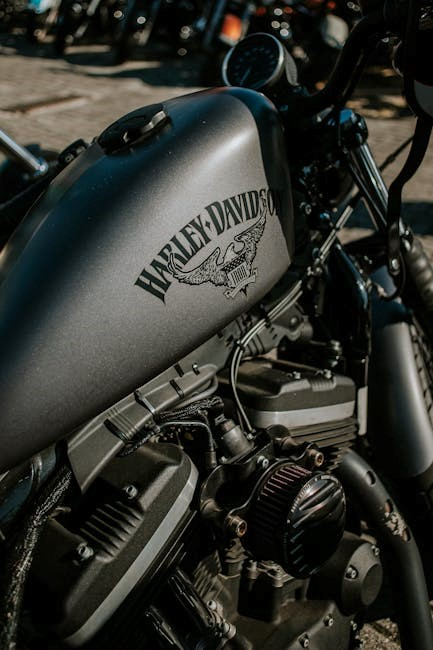
Understanding Harley-Davidson Model Years & Manual Compatibility
Harley-Davidson’s extensive model history necessitates careful attention to manual compatibility. Significant mechanical changes often occur between model years, rendering a manual for one year inaccurate for another. For example, manuals specifically cover Evolution engines (1984-1998) or Twin Cam engines (1999-2016) separately, due to substantial differences in their design and components.
Always verify that the manual explicitly lists your motorcycle’s year and model. Using an incorrect manual can lead to improper repairs, potentially causing damage or safety hazards. Cross-referencing the manual’s coverage with your bike’s VIN is a prudent step to ensure accurate information and successful maintenance procedures.
Evolution Engines (1984-1998) ⏤ Common Manuals
For Harley-Davidson’s Evolution engine era (1984-1998), Clymer manuals are exceptionally popular and widely available. The Clymer Harley-Davidson FLH/FLHT/FXR Evolution, 1984-1998 Service Manual, in its third edition, is a cornerstone resource. It comprehensively covers FLHR Road King models from 1995-1998, alongside other popular FXR and FL models.
These manuals detail everything from routine maintenance to complete engine rebuilds. They provide detailed diagrams, torque specifications, and troubleshooting guides specific to the Evolution engine’s unique characteristics. Haynes manuals also offer coverage for this period, providing an alternative, though Clymer is often preferred by experienced Harley mechanics for its depth.
Twin Cam Engines (1999-2016) ౼ Specific Manual Needs
Transitioning to the Twin Cam engine (1999-2016) necessitates different service manuals due to significant design changes. While Clymer and Haynes continue to offer options, coverage can be fragmented across multiple volumes depending on the specific year and model. Owners often require separate manuals for engine, electrical, and chassis components.
Focus shifts towards manuals detailing the specific Twin Cam variations – standard, fuel-injected, and those with different displacement options. Detailed troubleshooting guides for fuel injection systems and electronic control modules become crucial. Official Harley-Davidson manuals are highly recommended for this era, offering the most accurate and comprehensive information for these more complex engines.
Milwaukee-Eight Engines (2017-Present) ⏤ Latest Manuals
The Milwaukee-Eight engine, introduced in 2017, demands the most current service manuals. These engines feature substantial advancements – oil cooling, improved cylinder heads, and updated electronic systems – requiring specialized knowledge. Existing manuals for Twin Cam engines are not sufficient for accurate repairs.
Official Harley-Davidson manuals are virtually essential for working on Milwaukee-Eight models, providing detailed procedures for the new technologies. Third-party options are emerging, but often lag behind in covering the latest updates and revisions. Digital subscriptions offer the benefit of receiving these updates promptly. Prioritize manuals specifically stating compatibility with your Milwaukee-Eight model year and configuration.
Key Sections Found in a Harley-Davidson Service Manual
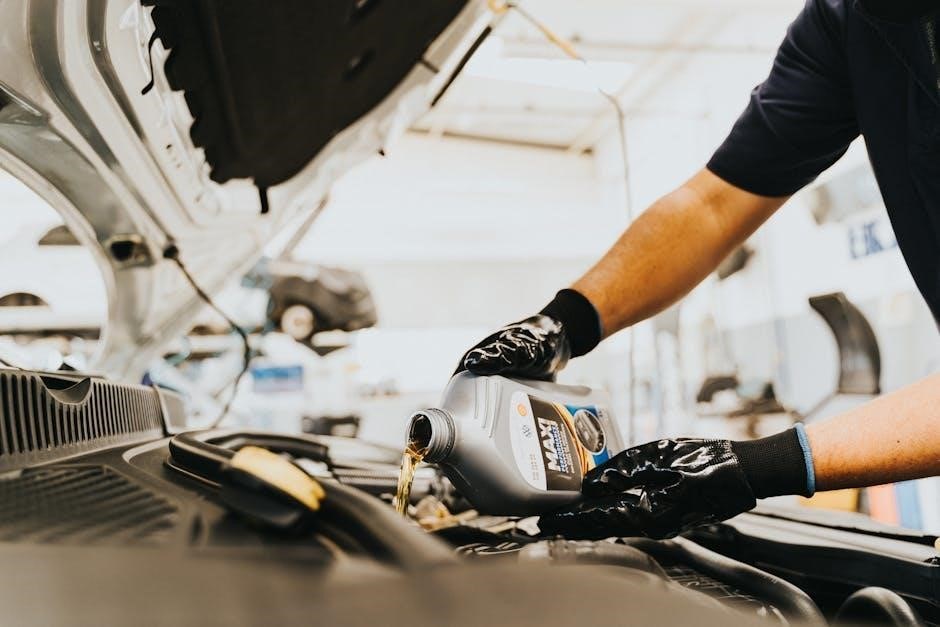
A comprehensive Harley-Davidson service manual is meticulously organized for efficient repair. Expect detailed sections dedicated to Engine Rebuild & Repair, covering disassembly, inspection, and component replacement. Crucially, there’s a robust Electrical System Diagnostics & Repair section, vital for troubleshooting modern Harley systems.
You’ll also find extensive procedures for Transmission & Drivetrain work, alongside guidance for Suspension & Steering Adjustments. These manuals aren’t just about fixing; they include torque specifications, fluid capacities, and wiring diagrams. Understanding these sections empowers both novice and experienced mechanics to perform complex tasks safely and effectively.
Engine Rebuild & Repair
Harley-Davidson service manuals dedicate significant detail to engine work. This includes complete tear-down procedures, precise piston and cylinder specifications, and valve timing instructions. Detailed diagrams illustrate component placement and assembly sequences, crucial for correct rebuilds. Manuals cover critical areas like top-end rebuilds, bottom-end work, and carburetor or fuel injection system overhaul.
Troubleshooting sections pinpoint common engine issues, offering diagnostic steps and repair solutions. Expect guidance on inspecting bearings, crankshafts, and camshafts. Proper torque specifications are emphasized to prevent damage. These sections are essential for restoring engine performance and longevity, ensuring a reliable ride.
Electrical System Diagnostics & Repair
Harley-Davidson service manuals provide comprehensive electrical schematics, vital for tracing wiring issues and identifying faulty components. They detail procedures for testing charging systems, including alternators and voltage regulators. Troubleshooting guides cover common problems like dead batteries, blown fuses, and malfunctioning lights. Step-by-step instructions explain how to use a multimeter to check for continuity and voltage.
Manuals also cover the repair or replacement of electrical components like starters, solenoids, and ignition modules. Detailed wiring diagrams simplify complex circuits. Understanding these systems is crucial for maintaining reliable operation and preventing electrical fires, ensuring safe and enjoyable riding.
Transmission & Drivetrain Procedures
Harley-Davidson service manuals offer detailed guidance on transmission disassembly, inspection, and reassembly. They cover clutch adjustments and repairs, including hydraulic clutch systems. Procedures for servicing the final drive – chain, belt, or gear – are thoroughly explained, ensuring proper tension and lubrication. Manuals detail how to diagnose and fix common drivetrain issues like slipping clutches, noisy transmissions, and oil leaks.
Specific torque specifications are provided for all drivetrain components, crucial for preventing damage. Step-by-step instructions cover bearing replacement and gear inspection. Proper servicing of the transmission and drivetrain is essential for smooth shifting and reliable power delivery, maximizing riding performance.
Suspension & Steering Adjustments
Harley-Davidson service manuals provide comprehensive instructions for front and rear suspension adjustments, covering fork oil changes, spring preload settings, and shock absorber adjustments. Detailed procedures explain how to properly diagnose and resolve suspension issues like excessive dive, harsh riding, or instability. Steering adjustments, including head bearing servicing and alignment procedures, are clearly outlined.
Manuals specify correct torque values for all suspension and steering components, vital for safety and performance. They guide users through inspecting and replacing worn bushings and seals. Proper suspension and steering adjustments significantly impact handling, comfort, and overall control of the motorcycle, enhancing the riding experience.
Essential Tools for Using a Service Manual
Successfully utilizing a Harley-Davidson service manual requires a well-equipped toolkit. Beyond standard wrenches and sockets, specialty Harley tools are often necessary for specific tasks like valve adjustments or primary chain tensioning. A quality torque wrench is crucial for tightening fasteners to the manufacturer’s specifications, preventing damage. Diagnostic tools, including a multimeter and compression tester, aid in troubleshooting.
Essential items include penetrating oil, grease, and threadlocker. Secure jack stands are vital for safely lifting the motorcycle. Having a clean workspace and proper lighting enhances efficiency and accuracy. Investing in the right tools ensures repairs are performed correctly and minimizes the risk of further complications.
Specialty Harley-Davidson Tools
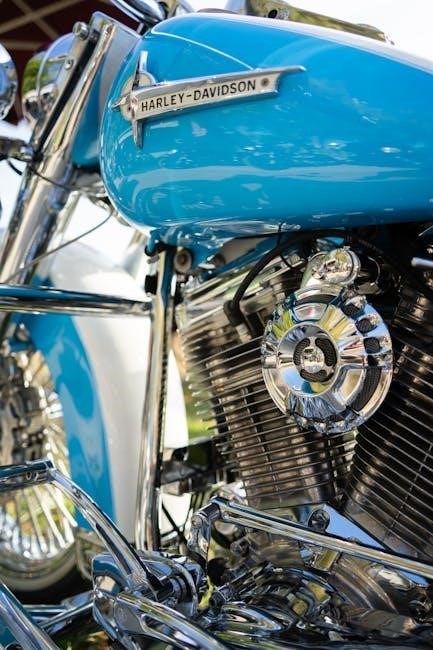
Harley-Davidson engines often necessitate unique tools not found in general mechanic’s sets. These include specific flywheel locking tools for precise timing adjustments, primary chain alignment tools ensuring proper drivetrain function, and valve spring compressors designed for Harley’s valve geometry. Dedicated bearing race removal and installation tools prevent damage during service.
Fork seal drivers, piston ring compressors, and specialized ignition timing tools are also frequently required. Investing in these tools, though potentially costly, safeguards against damaging components and ensures accurate repairs. While some can be rented, owning them streamlines maintenance. Quality Harley-specific tools are a worthwhile investment for serious enthusiasts and professional mechanics alike.
General Mechanic’s Tools
Alongside Harley-specific tools, a comprehensive set of general mechanic’s tools is crucial. This includes a full range of metric and standard sockets, wrenches, screwdrivers (Phillips and flathead), and pliers. Torque wrenches are essential for tightening fasteners to manufacturer specifications, preventing damage. A multimeter is vital for electrical diagnostics, testing continuity and voltage.
Other necessities encompass penetrating oil, grease, threadlocker, and various hand tools like hammers, punches, and chisels. Jack stands and a motorcycle lift are highly recommended for safe and comfortable working access. Don’t forget safety glasses and gloves! A well-stocked toolbox, combined with specialized Harley tools, empowers you to tackle most maintenance tasks effectively.

Finding the Right Service Manual for Your Model
Accurate model identification is paramount when sourcing a service manual. Harley-Davidson’s model years and sub-models significantly impact the required documentation. Utilize Harley-Davidson’s official parts finder – a valuable online resource – by inputting your motorcycle’s Vehicle Identification Number (VIN). This ensures compatibility.
Explore online retailers like Amazon, eBay, and dedicated motorcycle parts websites. Clymer and Haynes manuals are popular third-party options, but verify coverage for your specific year and model. Consider digital manuals for portability and searchability. Always cross-reference the manual’s listed models with your motorcycle’s details before purchasing to avoid frustration and incorrect procedures.
Using Harley-Davidson’s Parts Finder
Harley-Davidson’s online Parts Finder is an invaluable tool for manual selection. Access it through the official Harley-Davidson website and input your motorcycle’s 17-digit Vehicle Identification Number (VIN). This uniquely identifies your bike, revealing its exact specifications and build details.
The Parts Finder then displays a comprehensive parts list, but more importantly, confirms your model year and sub-model. This information is crucial for locating the correct service manual, as procedures vary between years and configurations. It helps narrow down compatible manuals, whether official Harley-Davidson publications or those from Clymer or Haynes, ensuring accurate repair information for your specific motorcycle.

Online Retailers & Marketplaces
Numerous online retailers offer Harley-Davidson service manuals, providing convenience and often competitive pricing. Major platforms like Amazon and eBay host a wide selection, ranging from new, official manuals to used copies and third-party options like Clymer and Haynes.
Specialty motorcycle parts websites, such as RevZilla and Dennis Kirk, frequently stock service manuals alongside parts and accessories. Always verify the manual’s compatibility with your specific Harley-Davidson model year and engine type before purchasing. Carefully review seller ratings and descriptions to ensure authenticity and condition, especially when buying used manuals. Comparing prices across multiple platforms is recommended.
Interpreting Diagrams and Specifications
Harley-Davidson service manuals are rich with detailed diagrams and precise specifications, crucial for accurate repairs. Exploded views illustrate component relationships, aiding reassembly. Torque specifications, listed in Newton-meters or foot-pounds, are vital to prevent damage. Electrical schematics detail wiring harnesses, assisting in troubleshooting.
Pay close attention to notes and cautions accompanying diagrams; they often highlight critical procedures or potential pitfalls. Understand the units of measurement used throughout the manual. Cross-reference part numbers with the Harley-Davidson parts finder to ensure correct component identification. Mastering these skills unlocks the manual’s full potential for successful maintenance.
Safety Precautions When Performing Maintenance
Prioritizing safety is paramount when working on your Harley-Davidson. Always disconnect the battery’s negative terminal to prevent accidental shorts. Wear appropriate personal protective equipment – safety glasses, gloves, and sturdy footwear – to shield against injury. Work in a well-ventilated area, especially when dealing with fuels or solvents.
Properly support the motorcycle using a lift or stand to prevent it from falling. Be mindful of hot engine components and exhaust systems. Dispose of fluids responsibly, following local regulations. If unsure about any procedure, consult a qualified mechanic. Ignoring safety precautions can lead to serious harm.
Common Harley-Davidson Repairs You Can Do Yourself

Many routine maintenance tasks are achievable for the home mechanic with a service manual. Simple oil changes and filter replacements are excellent starting points, requiring basic tools and following step-by-step instructions. Brake pad replacement is also manageable, though careful attention to detail is crucial for safety.
Basic electrical troubleshooting, like checking fuses or replacing bulbs, can save on shop fees. However, complex electrical issues are best left to professionals. Always refer to your service manual for torque specifications and proper procedures. Remember, attempting repairs beyond your skill level can cause further damage.
Oil Changes & Filter Replacements
Regular oil changes are vital for Harley-Davidson engine health. Your service manual details the correct oil type and capacity for your specific model year. It will guide you through draining the old oil, replacing the oil filter (often requiring a specialized wrench), and properly filling with fresh oil.
Torque specifications for the drain plug and filter are critical – over-tightening can cause damage. The manual also outlines disposal procedures for used oil, adhering to environmental regulations. Filter replacement intervals vary; consult your manual for recommended schedules. Maintaining clean oil extends engine life and ensures optimal performance.
Brake Pad Replacement
Your Harley-Davidson service manual provides step-by-step instructions for safe and effective brake pad replacement. It details removing the brake calipers, inspecting rotors for wear or damage, and compressing the pistons. Correct pad installation is crucial for optimal braking performance and safety.
The manual specifies the correct pad material for your model and riding style. Torque specifications for caliper mounting bolts are essential to prevent issues. Bedding-in procedures for new pads are also outlined, ensuring proper transfer of material to the rotors. Always bleed the brakes after pad replacement to remove air from the system, maintaining firm brake feel.
Basic Electrical Troubleshooting
A Harley-Davidson service manual equips you with the knowledge to diagnose common electrical faults. It details using a multimeter to check voltage, continuity, and resistance in circuits. Wiring diagrams are invaluable for tracing wires and identifying components. The manual guides you through checking fuses, relays, and switches – frequent culprits in electrical issues.
Learn to interpret diagnostic trouble codes (DTCs) if your model has an electronic control unit (ECU). Proper grounding techniques are emphasized, as poor grounds often cause intermittent problems. Always disconnect the battery’s negative terminal before working on electrical systems to prevent shorts. Safety is paramount when dealing with electrical components.